The post Market Outlook: Golden Cross Invalidated, Andreessen Horowitz Predicts ‘Fourth Crypto Cycle’ appeared first on Bitcoin Singapore.
]]>Entire Crypto Market Cap Still Hovers Above a Quarter of a Trillion US Dollars
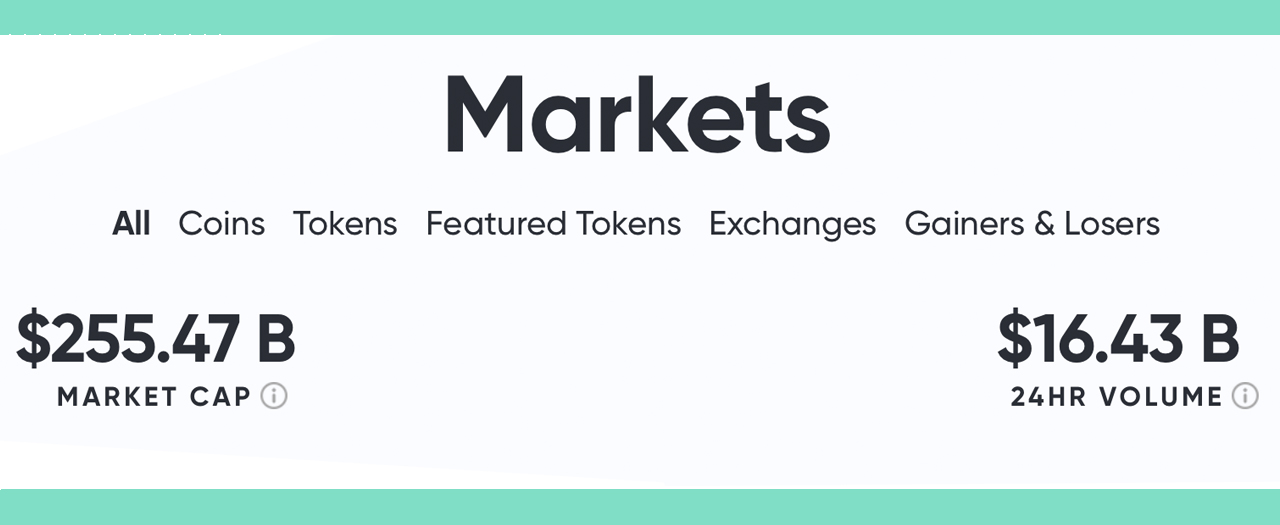
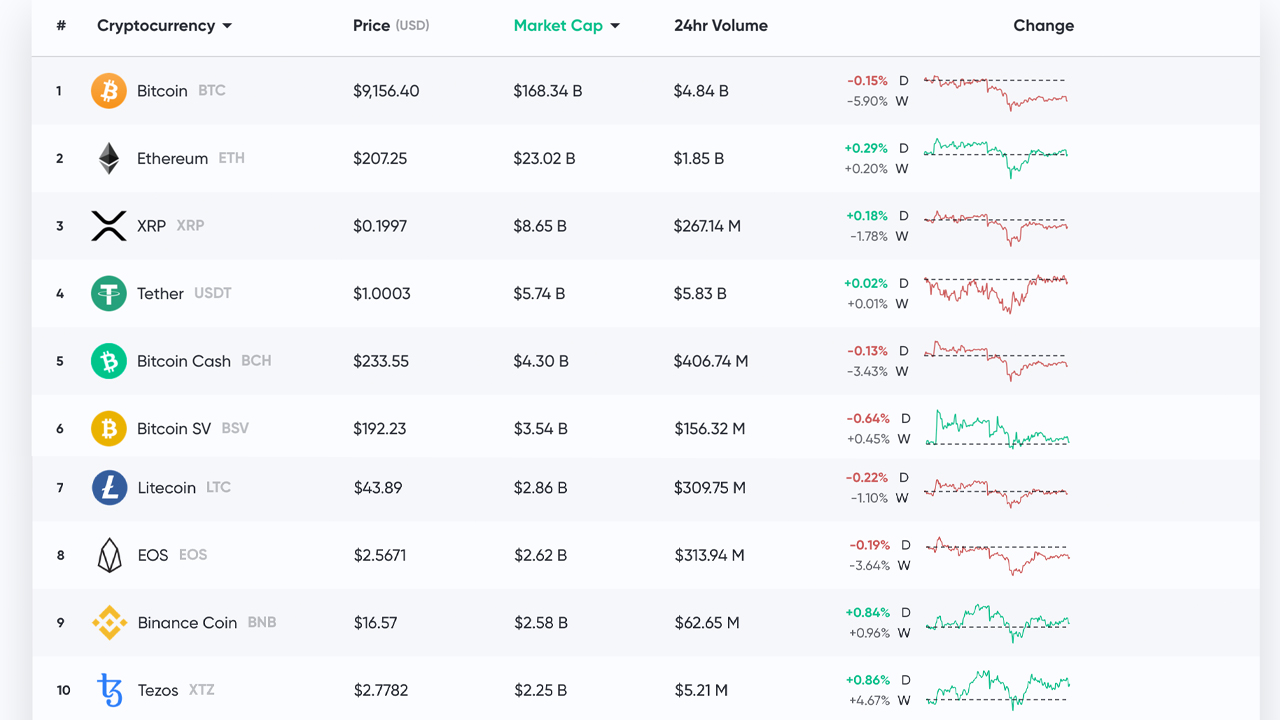
Digital currency supporters can safely say that so far, crypto assets have performed extremely well since the March 12, 2020 market carnage, otherwise known as ‘Black Thursday.’ The entire crypto economy of over 5,000 cryptocurrencies is currently worth $255 billion using today’s exchange rates. Today, BTC is trading for $9,156 per coin and has around $4.8 billion in 24-hour global trades.
Ethereum (ETH) is swapping for $207 per unit and there’s just under $2 billion worth of ETH trade volume on Sunday. The digital currency XRP is still commanding the third-largest position by market cap as each coin is trading for $0.19. The stablecoin tether (USDT) is the fourth largest market valuation today and the USDT market is worth $5.74 billion.
Bitcoin Cash (BCH/USD) Market Action
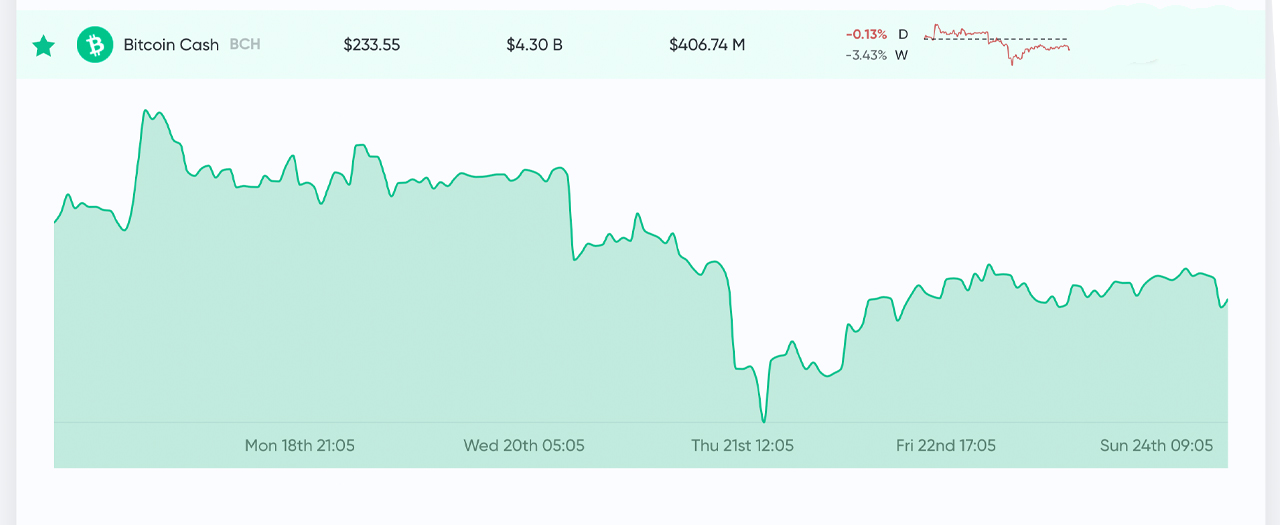
Bitcoin cash (BCH) lost its footing price wise, as well on Wednesday, May 20, 2020. At that time, BCH was trading for $247 per unit, but today each coin is swapping for $233. The BCH market cap is worth $4.3 billion today and tether recently eclipsed the coin’s market share. In fact, close to 100 million USDT was created on May 23, 2020 according to Whale alert data.
On Sunday morning, 70% of BCH trades are in tether, which is followed by 17.4% worth of BCH/BTC swaps. Additionally the top trading pairs with bitcoin cash include the USD (3.06%), KRW (2.35%), ETH (2.32%), GBP (1.50%), and the stablecoin USDC (0.59%). Bitcoin cash has around $99 million in total global trades on Sunday.
Andreessen Horowitz Predicts a ‘Fourth Crypto Cycle’
Silicon Valley venture capital firm Andreessen Horowitz executives have recently published a blog post called “The Crypto Price-Innovation Cycle.” Chris Dixon and Eddy Lazzarin say that a “fourth crypto cycle” is on the horizon. “Even though crypto cycles look chaotic, over the long term they’ve generated steady growth of new ideas, code, projects, and startups— the fundamental drivers of software innovation,” Dixon and Lazzarin wrote in the post.

“The 2017 cycle spawned dozens of exciting projects in a wide range of areas including payments, finance, games, infrastructure, and web apps— Many of these projects are launching in the near future, possibly driving a fourth crypto cycle.” Just recently it was reported that Andreessen Horowitz raised over $515 million for a cryptocurrency-focused fund.
Golden Cross Decline
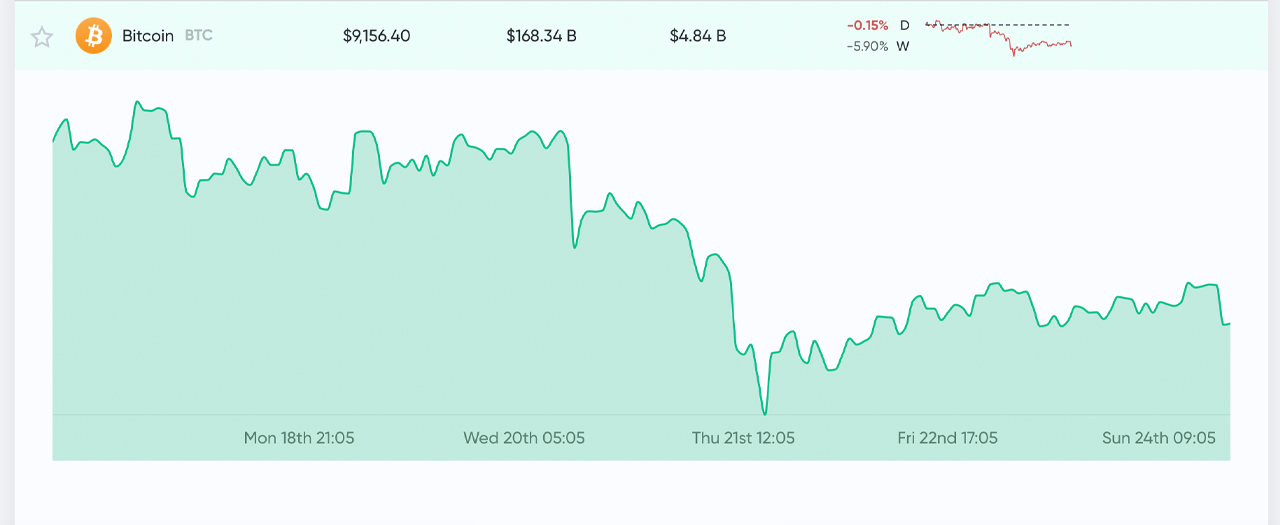
Despite the recent “golden cross formation,” BTC prices saw a 3% loss since May 20, 2020. This particular golden cross predicted a bullish scenario for BTC. Essentially, the 50-day moving average (MA) and 200-day MA initiated the golden cross, but the price never followed the traditional northbound outcome. Even though the golden cross came to fruition, the Moving Average Convergence Divergence (MACD) has not shown any bullish signals whatsoever.
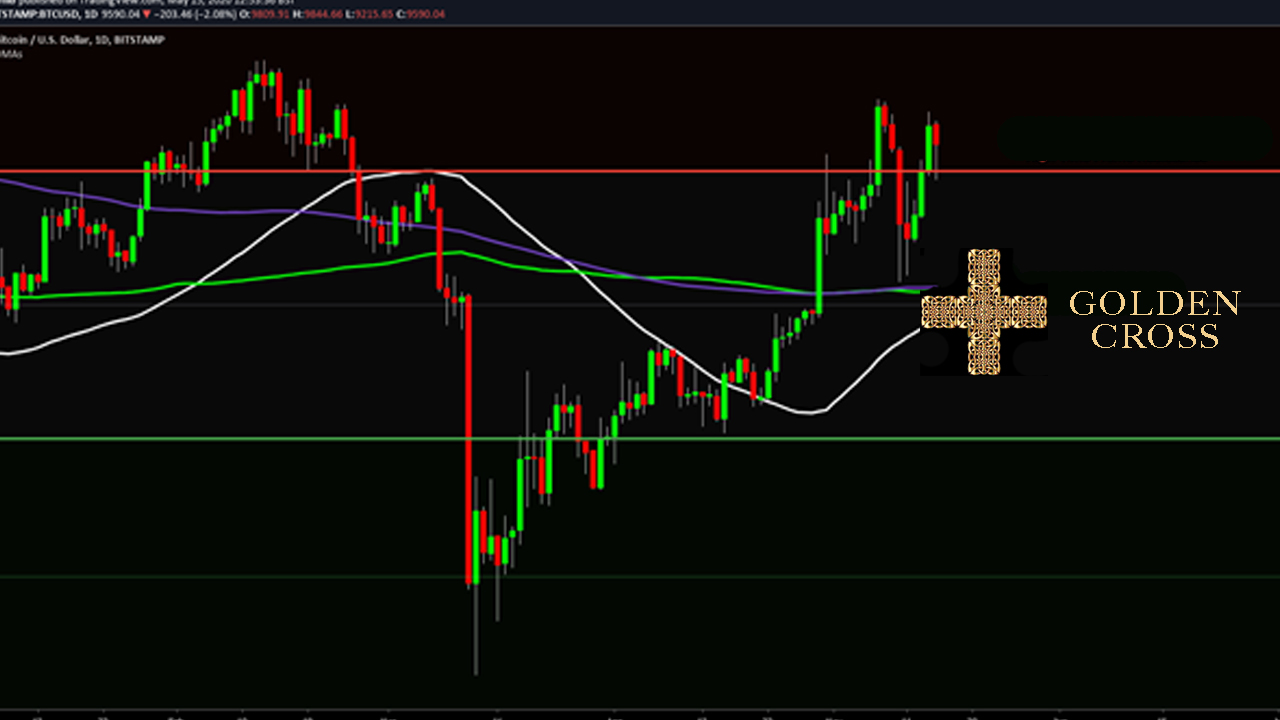
Although, it is hard to measure the market with divergence, especially when weighing the options of a reversal. While the 50-day and 200-day MA had shown a definitive golden cross, the market trade volume just hasn’t been enough to push prices forward. Various traders were hoping for some kind of indication from the golden cross event just as they do for the death cross. Unfortunately, the BTC chart indicating the formation of a golden cross, was meaningless this time around.
Source: https://news.bitcoin.com/market-outlook-golden-cross-invalidated-andreessen-horowitz-predicts-fourth-crypto-cycle/
Image Credits: Shutterstock, Pixabay, Wiki Commons, Andreessen Horowitz, Trading View
The post Market Outlook: Golden Cross Invalidated, Andreessen Horowitz Predicts ‘Fourth Crypto Cycle’ appeared first on Bitcoin Singapore.
]]>The post Bitcoin Price Touches $10K Amid 2020’s Macroeconomic Storm and Covid-19 Fears appeared first on Bitcoin Singapore.
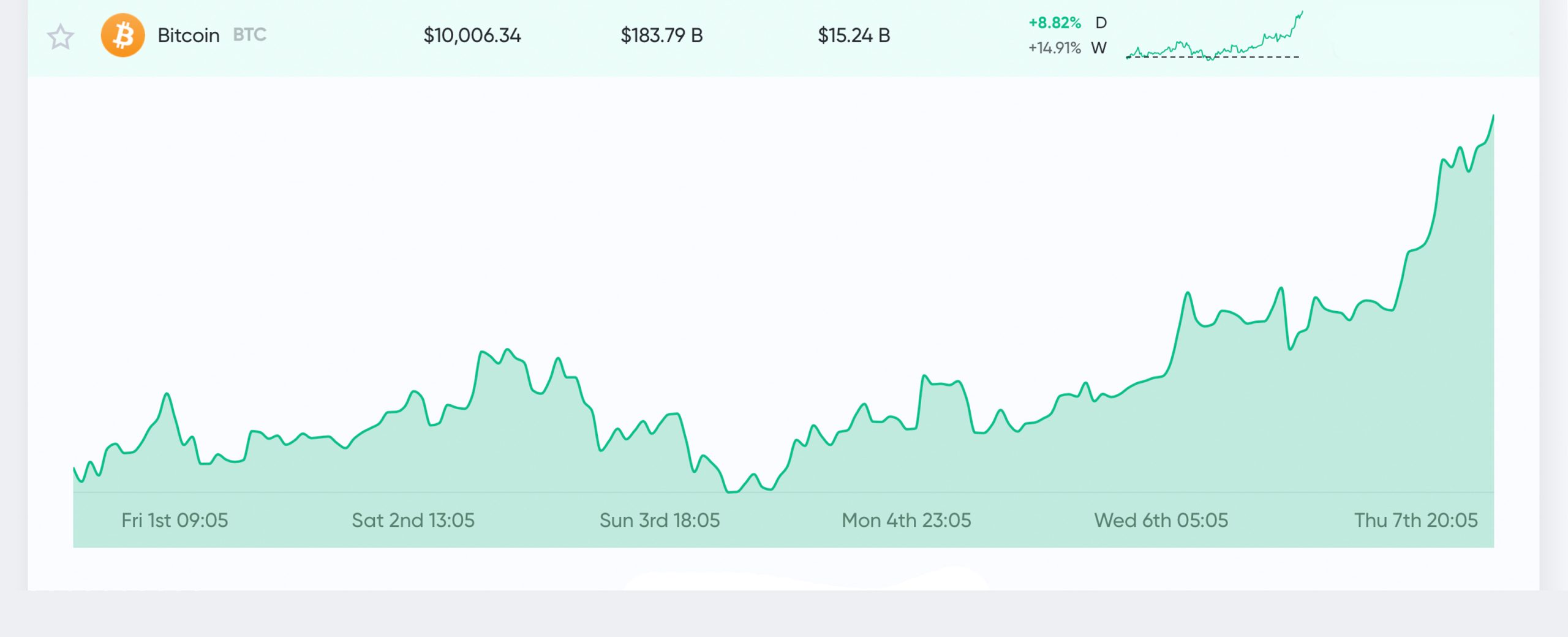
]]>The digital asset BTC has made headlines today, as the price per unit has once again crossed the $10K zone. After dropping to $3,600 per BTC on March 12, otherwise known as ‘Black Thursday’ the price has since gained over 177%. There is no asset (besides a few other cryptocurrencies), stock, commodity, or precious metal that has experienced a sizable gain such as BTC’s recent run-up. The price gives the crypto asset a $184 billion market valuation, and there’s around $15 billion worth of global trade volume today.
A number of investors believe the rise in price is due to the upcoming halving on or around May 12. The BTC network’s block rewards are halved after this date and miners who find blocks will only get 6.25 BTC as opposed to the former 12.5 coins. The chain halves every four years or every 210,000 blocks mined.
This week, the crypto analytics startup Messari.io and the digital currency exchange Bitstamp, published a report about the crypto asset’s third halving and the implications. Within the research report, the companies explain “miner economics” and how as soon as the BTC network halves, there will be a “50% overnight drop in revenue” for miners. This will cause a lot of attention toward BTC’s price and network hashrate.
“While this overnight drop may not be a shock, given that the halving is known in advance, it doesn’t mean that planning for the halving is straightforward,” the report details. “The amount of new BTC issued every block is only one side of the equation. The other side is bitcoin’s price.” The report concerning BTC’s block reward halving further notes:
Without a 100% price increase to counteract the reduction in new issuance, every miner’s revenue will be impacted significantly. Those with the most efficient cost structures will ultimately stay in business. Those with inefficient structures will likely be forced to shut off their machines once profitability dips below break-even levels. While most miners cannot immediately shut off their machines due to contractual obligations with colocation facilitates and utilities, those with the highest costs to produce new BTC will eventually capitulate and go bankrupt.
With the price of BTC crossing the $10K zone, it helps but a number of speculators and skeptics are more concerned about after the halving. Some theories and estimates suggest that $10K per BTC might not be enough for some mining operations to survive. According to a recent study published by Tradeblock, the price will need to be around $12.5K or above for a great majority of miners. While some speculators assume mammoth prices await investors, others believe the price could drop significantly after the halving. Either way, most cryptocurrency proponents will be watching.
Source: https://news.bitcoin.com/bitcoin-price-touches-10k-amid-2020s-macroeconomic-storm-and-covid-19-fears/
The post Bitcoin Price Touches $10K Amid 2020’s Macroeconomic Storm and Covid-19 Fears appeared first on Bitcoin Singapore.
]]>The post Bitcoin Pulls Away From Stock Market as Price Staying Above $8,000 Signals Strength – Bloomberg Analyst appeared first on Bitcoin Singapore.
]]>In a new bitcoin report published on May 5, McGlone said that sustaining above this level is necessary to indicate strength.
“Bitcoin is showing divergent strength versus the wobbly stock market,” he said, noting the cryptocurrency’s rapid decline on March 12, when it plunged 27%.
BTC rose past $8,000 for the first time in several weeks at the end of April, largely spurred by the impending halving. At Press time, the coin was up 4.2% at $9,216 over the last 24 hours, according to data from markets.bitcoin.com.
The Bloomberg Galaxy Crypto Index (BGCI) shows bitcoin “recovering above its upward-sloping 52-week moving average, while the same measure of the S&P 500 is turning downward.”
Like gold, McGlone opines, the trend indicates that:
BTC is rapidly transitioning away from a risk asset and gaining credence versus stocks. Relative volatility and momentum measures indicate a firming price foundation for the crypto.
Similar to about 3,000 on the benchmark stock index, $8,000 has been a key pivot point for much of the past year in the cryptocurrency industry, as per the report. The ratio of BTC’s 180-day volatility against the same gauge on the S&P 500 dropped to a measure of 2 this year, a new low.
“The drop to new lows in the relative-volatility ratio indicates a firming bitcoin price foundation versus the stock market,” said McGlone.
The commodity strategist also spoke about how diminishing supply, increasing demand and a favorable macroeconomic situation (overrun by stimulus packages) support a positive BTC price outlook, perhaps even better than gold.
“In May, the daily production of new coins will drop by half, and unlike quasi-currency brethren gold, higher prices won’t be an incentive for more supply,” McGlone elaborated.
He added: “Restricted supply means adoption is the metric that matters, and most indications remain positive in an unprecedented environment where virtually every central bank is aggressively adding liquidity.”
Source: https://news.bitcoin.com/bitcoin-pulls-away-from-stock-market-as-price-staying-above-8000-signals-strength-bloomberg-analyst/
The post Bitcoin Pulls Away From Stock Market as Price Staying Above $8,000 Signals Strength – Bloomberg Analyst appeared first on Bitcoin Singapore.
]]>The post 12 Months of Onchain Data Shows Bitcoin Whales Obtained Hundreds of BTC from Small Fish appeared first on Bitcoin Singapore.
]]>Small and Mega-Bitcoin Whales Accumulate More Coins During the Market Dip
In the cryptocurrency world, investors who hold a large number of digital assets are typically called ‘whales.’ There are also all types of whales like BTC whales, ETH whales, and BCH whales. The definition of a BTC whale would be a person or organization (a single address) with around 1,000 BTC or more. Whales with around 1,000 BTC would be considered small whales and at the time of publication, there are 2,002 addresses with 1K BTC or more. Onchain data from December 17, 2018 (1,754) until May 1, 2020, shows these smaller whales grew by 14.13%. Then there are mega-whales who own 10,000 BTC or more, which is around $87 million using today’s exchange rates.
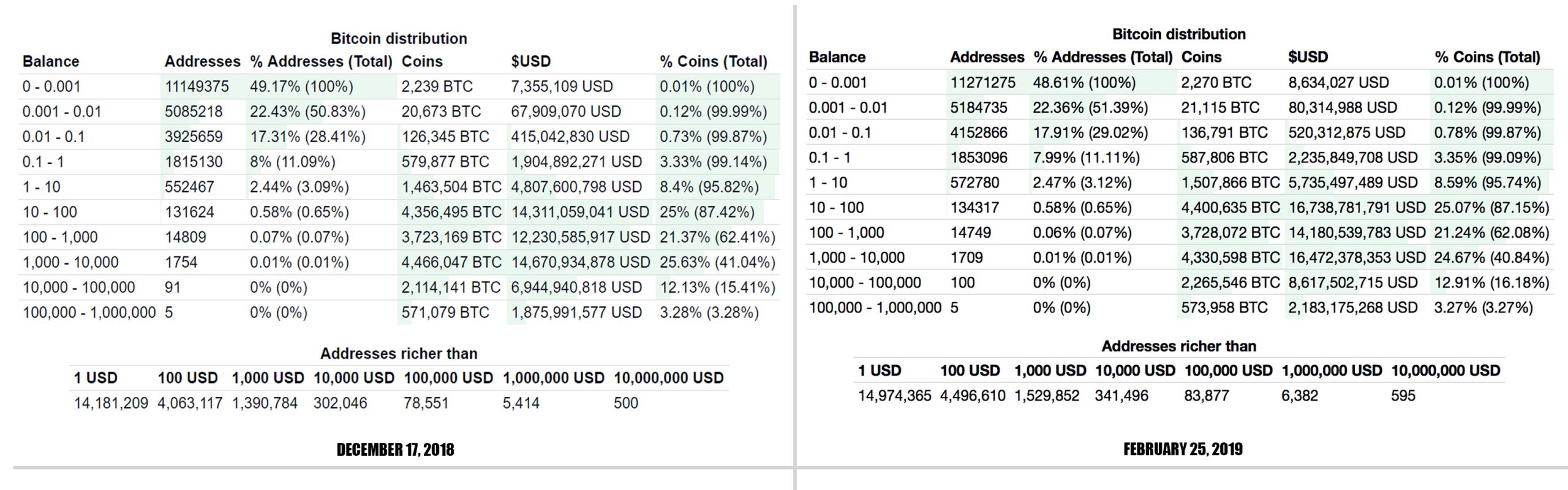
Onchain data from December 17, 2018, shows at the time there were 91 addresses with 10,000 BTC or more. Today’s statistics show there are now 106 addresses with 10,000+ BTC. The data highlights that whales with 10K BTC or more have grown by 16.48% since the end of 2018. On February 25, 2019, there were 1,709 addresses with 1,000 BTC or more. Since then, the increase of smaller whales has been around 17.14%. Similarly, on the same day in February 2019, there were 100 addresses and the increase to 106 would be approximately 6%.
Bitcoin Addresses With 100 and 100,000 Bitcoins Decreased
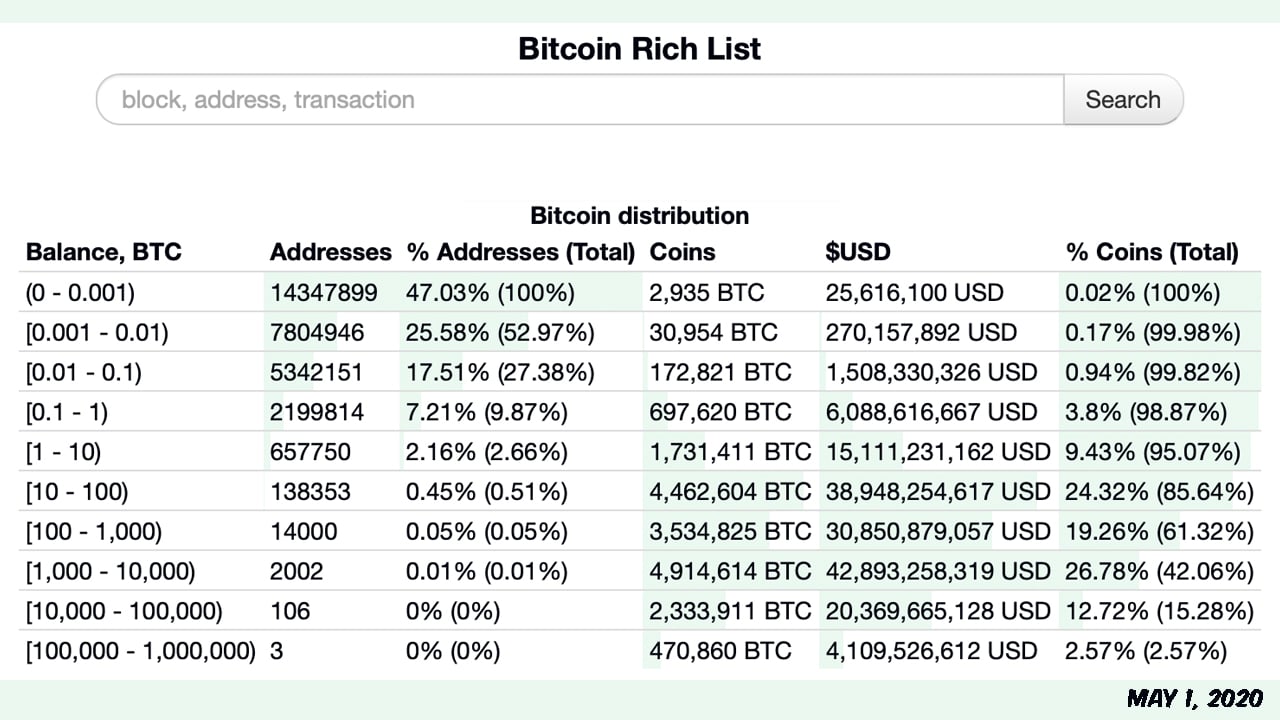
Then there are even bigger whales than the 10K BTC holders, as there are three addresses with anywhere between 100,000 to 1,000,000 BTC today. A whale address that has 100K BTC is worth around $873 million at today’s exchange rates. Back in December 2018, there were more 100K or more addresses than today, as five of them held these balances. Fast forward to February 2019, and the number remained the same with only five addresses holding 100K BTC. Of course, most of these 100K addresses belong to exchanges that hold BTC in a custodial fashion for their customers.

Now the much smaller investor, with 100 BTC or more is around 14,000 addresses on May 1, 2020. In December 2018, there were 14,809 addresses with 100 BTC or more, and on February 25, 2019, that number dipped to 14749 addresses. So these types of holders have decreased and it is possible they sold to the much larger whales during the last few months. On March 12, 2020, otherwise known as ‘Black Thursday,’ BTC prices dropped to $3,600 per coin. Reports from popular exchanges like Kraken, Binance, and Coinbase explained that there was a massive amount of buyers during the 24 hours that followed the market rout. The San Francisco exchange Coinbase wrote a blog post on how crypto investors bought the crypto asset when it was much lower in value. Even the famed whistleblower Edward Snowden said he felt like buying the dip.
Source: https://news.bitcoin.com/12-months-of-onchain-data-bitcoin-whales-hundreds-of-btc-from-small-fish/
The post 12 Months of Onchain Data Shows Bitcoin Whales Obtained Hundreds of BTC from Small Fish appeared first on Bitcoin Singapore.
]]>The post Japan Implements Significant Changes to Cryptocurrency Regulation Today appeared first on Bitcoin Singapore.
]]>Japan Adopts New Way to Regulate Crypto Industry
The amendments to the Payment Services Act (PSA) and the Financial Instruments and Exchange Act (FIEA) that revise the regulatory framework for cryptocurrency in Japan go into effect on May 1. They were proposed by the country’s top financial regulator, the Financial Services Agency (FSA), and adopted by the Diet on May 31 last year. The finalized rules were published on April 3 along with the FSA’s answers to public comments. International law firm Morrison & Foerster described:
The regulations coming into effect as of May 1, 2020, represent a significant change in the way the FSA will regulate cryptocurrency-related business activities of operators in Japan going forward.
Among the major changes are the regulation of cryptocurrency custody service providers that do not sell, purchase, or intermediate the sale and purchase of cryptocurrencies and cryptocurrency derivatives businesses. The former now falls under the PSA while the latter must register under the FIEA. A crypto derivatives business that also provides crypto custody service may need to register as a cryptocurrency exchange. In addition, the FSA previously explained to news.Bitcoin.com the implication of the new law on the possibility of a bitcoin exchange-traded fund (ETF) being approved in Japan.
The amendments “are quite extensive and many issues regarding the scope, applicability, and relevance of the regulations remain open to interpretation,” the law firm opined. The regulatory changes are summarized here.

Japanese Cryptocurrency Landscape Changing, Unlicensed Crypto Exchanges Exiting
Japan currently has 23 FSA-approved cryptocurrency exchanges. As the new regulation takes effect, unlicensed crypto trading platforms modify their terms of service to exclude Japanese users in compliance with the new law.
Global cryptocurrency exchange Bitmex, for example, announced that it would stop providing services to Japanese residents starting from 11 p.m. JST on April 30 for first-time registered users and 12 a.m. on May 1 for existing registered users. “We are restricting access to users who are Japan residents,” the exchange confirmed on Tuesday, adding:
The restrictions are in response to the amendments to the Japan Financial Instruments and Exchange Act and Japan Payment Services Act effective as of 1 May 2020.
“We will continue to work with the Japanese regulatory authorities to support their aims for the Japan market and will keep our Japan users updated,” Bitmex wrote.
Furthermore, the FSA announced on April 30 that it has approved two self-regulatory organizations (SROs) in the crypto sector: the Japan STO Association and the Japan Virtual and Crypto Assets Exchange Association (JVCEA). These organizations work closely with the FSA to enforce strict standards on the country’s crypto sector.
Source: https://news.bitcoin.com/japan-changes-cryptocurrency-regulation/
The post Japan Implements Significant Changes to Cryptocurrency Regulation Today appeared first on Bitcoin Singapore.
]]>The post Cryptocurrency Trading Surges in Malaysia as Lockdown Cripples Economy appeared first on Bitcoin Singapore.
]]>Increased Crypto Trading Volumes and New Users
Interest in cryptocurrency has grown significantly in Malaysia amid the extended lockdown restricting travel and nonessential businesses. The country estimates that 2.4 billion ringgit ($553 million) are lost each day that businesses remain shut due to the coronavirus pandemic.
Despite the worldwide economic crisis, cryptocurrency trading in Malaysia has shown strong growth, according to two government-approved crypto exchanges. Luno, Malaysia’s first fully approved digital asset exchange, told The Malaysian Reserve publication that local trading volumes on its platform grew 33% over the past four weeks. Luno Malaysia manager Aaron Tang said the number of active users on his exchange hit a record high during that period. “There are a plethora of digital coin investors in Malaysia,” Tang told the news outlet, elaborating:
We believe the surge is partly driven by the belief that cryptocurrencies (particularly bitcoin) are a good store of value in difficult economic times.
The Luno manager explained that some investors are using cryptocurrencies, such as bitcoin, to diversify their portfolios, because they are worried that huge stimulus packages and the global economic crisis could lead to inflation.

The second fully approved cryptocurrency exchange operator, Tokenize Technology, has also experienced an increase in user signups. CEO Hong Qi Yu told the news outlet that his platform is seeing an average daily trading volume increase of 30% to 40%.
“We are quite fresh but see that Malaysians are quite eager to sign up,” he was quoted as saying. However, he added that most people are still taking a wait-and-see approach when it comes to cryptocurrency investing, estimating that only 2% of Malaysia’s population of over 30 million has adequate cryptocurrency knowledge.
Malaysian Cryptocurrency Regulation
Malaysia’s securities commission (SC), Suruhanjaya Sekuriti Malaysia, started regulating the country’s cryptocurrency industry on Jan. 15 last year, when “the Capital Markets and Services (Prescription of Securities) (Digital Currency and Digital Token) Order 2019” went into effect.
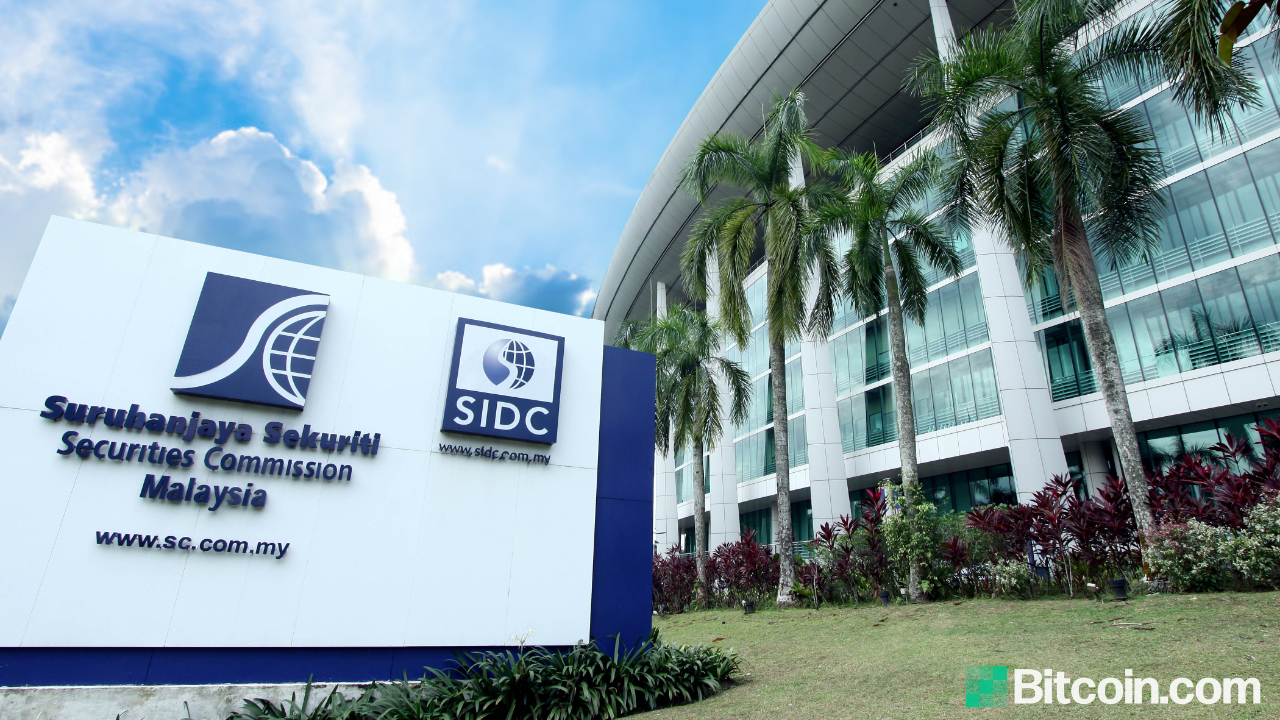
The Commission approved three cryptocurrency exchanges conditionally last year: Luno Malaysia, Sinegy Technologies, and Tokenize Technology. Luno soon met the regulator’s requirements and became the first exchange to receive full approval. Earlier this month, Tokenize Technology also met the requirements.
Suruhanjaya Sekuriti Malaysia clarified when the regulation went into effect: “Entities which have not been approved by the SC, including those which have previously been operating under the transitional period, are required to cease all activities immediately and return all monies and assets collected from investors.”
Source: https://news.bitcoin.com/cryptocurrency-malaysia-economy/
The post Cryptocurrency Trading Surges in Malaysia as Lockdown Cripples Economy appeared first on Bitcoin Singapore.
]]>The post Market Outlook: Crypto Market Prices Rally Ahead of Bitcoin Halving, BTC Up $1K in 24 Hours appeared first on Bitcoin Singapore.
]]>Bitcoin Markets Jump Significantly in Value, $1K in a Day
The overall market valuation today for all 5,000 crypto assets in existence is roughly around $251 billion (1/4 of a trillion) and BTC’s market cap captures $153 billion of that number. Slowly and steadily, BTC prices have continued to rise during the last week breaking past a few crucial resistance zones. At press time, the price per BTC is around $8,639 per coin and the crypto asset is up over 11%. BTC is up 21% for the last seven days, 35% for the last 30 days, and 60% for the year so far. 90-day statistics show that BTC is still down around 8% with today’s prices.
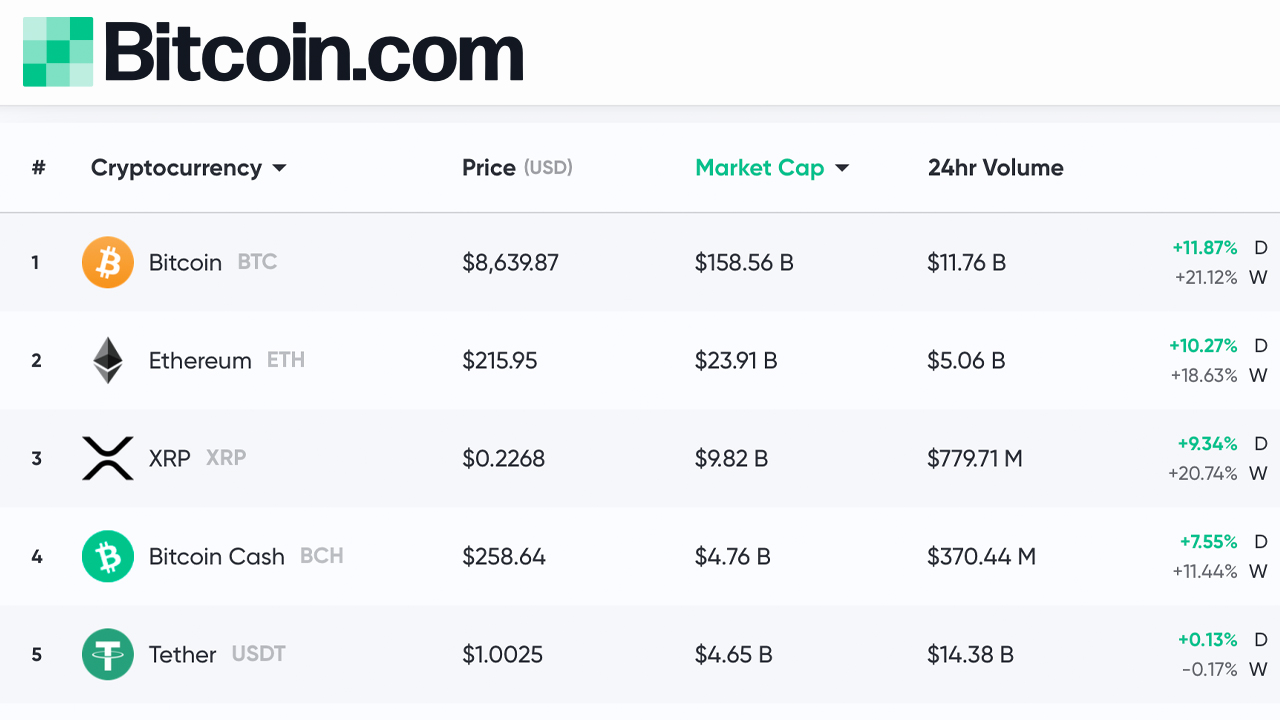
ETH prices are up around 10% as well and each ether is swapping for $215 per coin. XRP still holds the third-largest market cap and each XRP is valued around $0.22 at the time of publication. Tether is hopping back and forth with bitcoin cash (BCH) markets and is currently the fifth largest crypto market valuation today.
Bitcoin Cash (BCH/USD) Market Action
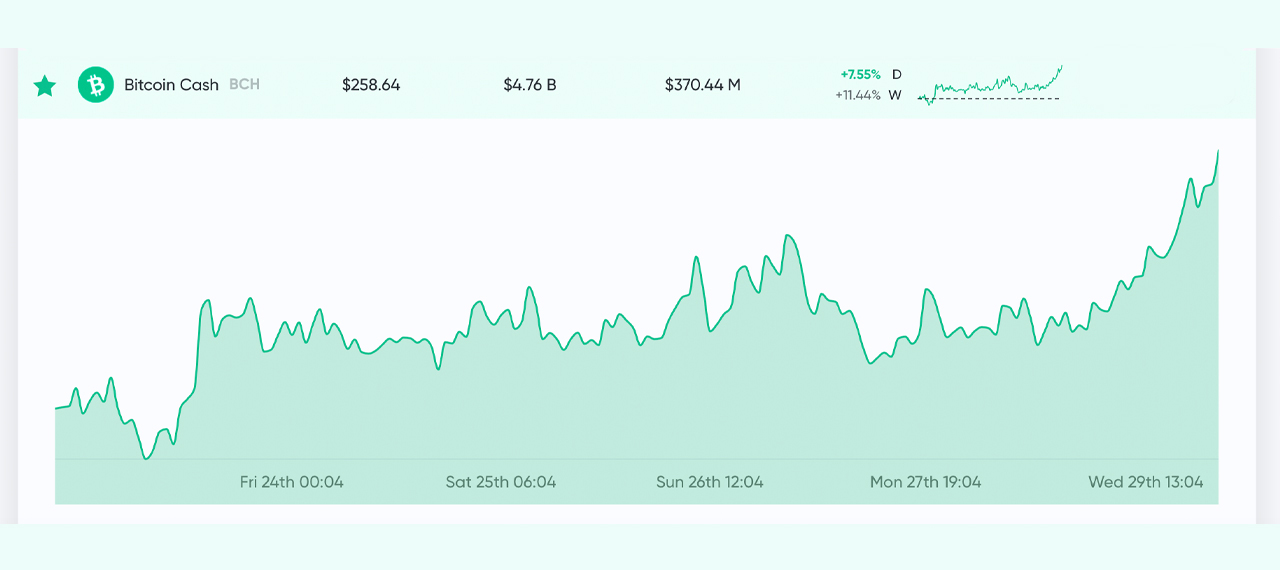
Bitcoin cash (BCH) is selling for $258 per coin and is up 7.5% for the day. For the last seven days, BCH is up 11% and 17% for the last 30 days. The top trading pair with bitcoin cash on Wednesday is tether (USDT) with 57% of BCH trades. This is followed by BTC (25%), GBP (6.9%), USD (3%), KRW (2.6%), and ETH (1.42%) pairs. GBP’s increase has been notable as it is unusual to be above USD and even EUR trading pairs. BCH is currently in the midst of heavier resistance and its gonna take some bullish pressure to break the $275-300 zones.
BTC Price Headed to $13K
A popular digital currency trader named @Galaxy told his 62,000 Twitter followers: “The fact that BTC is going to $13K simply cannot be ignored. Of course, many of the people who responded to Galaxy didn’t believe his price prediction. Some traders responding said another big correction is coming and others expect prices around $5K. Meanwhile, plenty of individuals could imagine $100-200K per BTC prices. “I never understand people day trading bitcoin. Just hold until it’s $100K and sell a little. Repeat at $200K. It’s easy,” another individual tweeted in response to Galaxy’s tweet.
Bitfinex Cold Wallets Are Being Siphoned
Just recently news.Bitcoin.com reported on the massive withdrawals that crypto proponents have witnessed since the Black Thursday market massacre. According to a report written by Anton Lucian, Bitfinex cold wallets are draining significantly. “57,000 BTC ($441M) has been withdrawn from Bitfinex’s cold wallet in the past 70 days,” Lucian detailed. “This is one of the rare times the exchange’s cold wallet has seen a drop in holdings for an extended period of time. BTC withdrawals on the exchange in the past 30 days are also more than 10x higher compared to other exchanges,” the author added.

Fed Induced Crypto Pump
Some crypto proponents wholeheartedly believe that the jump above $8K per BTC today was due to Fed Chair Jerome Powell’s press conference. Powell told the public that the Federal Reserve will be keeping interest rates at zero and he discussed a number of stimulus plans. What really triggered the spike and even a rise in equity markets is when Powell’s Fed proposal disclosed that the money has no requirements.
“Unlike other portions of the relief for American businesses, however, this aid [from the Fed] will be exempt from rules passed by Congress requiring recipients to limit dividends, executive compensation, and stock buybacks and does not direct the companies to maintain certain employment levels,” explains the Washington Post. “Critics say the program could allow large companies that take federal help to reward shareholders and executives without saving any jobs. The program was set up jointly by the Federal Reserve and the Treasury Department,” the financial news outlet added.
The post Market Outlook: Crypto Market Prices Rally Ahead of Bitcoin Halving, BTC Up $1K in 24 Hours appeared first on Bitcoin Singapore.
]]>The post Is Bitcoin a Good Investment: Analyst Predicts High Institutional Demand Post Covid-19 appeared first on Bitcoin Singapore.
]]>High Institutional Demand Expected Post Coronavirus Crisis
The covid-19 pandemic has led to an unprecedented economic crisis, with the IMF calling it the worst recession since the Great Depression. Companies are missing their earnings estimates and many traditional investments have taken a hit across the board. The crisis has investors scrambling to find safe haven assets, and more people are now asking whether cryptocurrencies, such as bitcoin, are a good investment.
Bitcoin Lab CEO Tetsuyuki Oishi, a guest crypto analyst at Japanese financial company Fisco, shared three reasons earlier this week why he sees considerable demand from institutional investors for cryptocurrencies post the pandemic.
Firstly, he said that the stock market may lose its attractiveness after the coronavirus crisis due to decreased demand for many companies’ products, resulting in long-term declines in corporate profits. He elaborated:
Most consensus is that a V-shaped recovery of stock prices is difficult. Therefore, investors need to seek out investment options other than stocks. Investors can’t just put everything in cash.

Next, the analyst asserted that cryptocurrencies are attractive because there is still very little correlation between them and traditional investments. He explained: “During the plunge, of course, all assets were sold, both gold and bitcoins were sold, but they picked up thereafter … As a result, there is more room to incorporate assets that will have little correlation with the uncertain future society.”
Another reason why investors will be more interested in cryptocurrencies compared to other asset types is that “among such uncorrelated assets, the one most investors have not yet incorporated [into their portfolios] is cryptocurrency, especially BTC,” Oishi opined.
Regarding the level of interest for cryptocurrencies, the analyst cited Grayscale Investments’ Q1 2020 earnings report showing capital inflows totalling $503.7 million into cryptocurrency investment products. “This is the largest scale ever,” he wrote, adding that $388.9 million went into Grayscale Bitcoin Trust for BTC. Furthermore, 88% of all investments made in the quarter were by institutional investors. Oishi added, “It is good news that investors’ interest in virtual currencies has not declined,” concluding that interest from institutional investors is expected to continue after the coronavirus crisis.

Financial Experts Recommend Bitcoin in Portfolios
Before the spread of coronavirus and subsequent economic turmoil, financial experts were already recommending some exposure to cryptocurrencies within investment portfolios.
JPMorgan, for example, wrote in a February report that “The crypto market continues to mature, and cryptocurrency trading participation by institutional investors is now significant.” Predicting that “Bonds may lose their ability to hedge equity portfolios over the next several years,” the firm suggested that “less-constrained markets like the yen and gold should form part of long-term hedges,” elaborating:
Cryptocurrencies should be added to this list too … because they can uniquely hedge a yet-unseen environment entailing simultaneous loss of confidence in the domestic currency and its payments system.
Furthermore, various finance experts have recommended putting bitcoin in investment portfolios. Rich Dad Poor Dad author Robert Kiyosaki has repeatedly said that the dollar is dead and people should invest their stimulus money in bitcoin. Virgin Galactic chairman Chamath Palihapitiya has long vouched for allocating at least 1% of portfolios in bitcoin. In addition, Galaxy Digital chairman Mike Novogratz pointed out that with all the money printing central banks are doing, it is prime time to buy bitcoin.
Source: https://news.bitcoin.com/is-bitcoin-good-investment/
The post Is Bitcoin a Good Investment: Analyst Predicts High Institutional Demand Post Covid-19 appeared first on Bitcoin Singapore.
]]>The post Bitcoin to Be Digital Gold in 2020, Says Bloomberg Report appeared first on Bitcoin Singapore.
]]>With its correlation to gold jumping to all-time highs, BTC is poised to transition from a risk-on speculative asset to the crypto market’s version of the metal.
“This year marks a key test for bitcoin’s transition toward a quasi-currency like gold, and we expect it to pass,” the report says. The damage to world economies caused by Covid-19 is prompting governments to dole billions of dollars in stimulus. Bloomberg expects bitcoin to gain amid the circumstances, helped on by mainstream adoption.
Per the report, despite BTC’s annualized volatility that’s averaged about 5x that of the S&P 500 in the past year, the crypto is down 5% in 2020 against 22% for the stock index as at April 2. Bloomberg said:
For more-established assets, this would be considered a sign of divergent strength. For the nascent crypto, it’s also an indication of a transition toward gold-like adoption, maturity and performance.
As digital gold, BTC appeals to the cashless internet economy largely on account of its characteristics that include round-the-clock price transparency, and the lack of limits, interruptions or third-party oversight, notes Bloomberg.
The report shows BTC’s decline this year holding above its 2018 low “which was about an 80% drawdown from the peak.” The stage for a strong comeback is set. It states: “On sounder footing after its previous shakeout, bitcoin is gaining relative fuel as stocks reset, if history is a guide.”
While Covid-19 will witness the enduring decline of cryptocurrencies, BTC, is considered a hedge asset, that will appreciate. “The macroeconomic effects of the coronavirus accelerate bitcoin’s process of gaining value relative to other cryptos.” In the year to April 2, BTC outperformed the Bloomberg Galaxy Crypto Index, surging 40% versus 13% decline in the index.

The Bitcoin futures tamed the BTC bull market, a development Bloomberg interprets in terms of the maturation of the cryptocurrency. “Increasing futures open interest, declining volatility, and relative outperformance despite the stock-market shakeout indicates bitcoin is maturing from a speculative crypto asset toward a digital version of gold,” it added.
Source: https://news.bitcoin.com/bitcoin-to-be-digital-gold-in-2020-says-bloomberg-report/
The post Bitcoin to Be Digital Gold in 2020, Says Bloomberg Report appeared first on Bitcoin Singapore.
]]>